How to Choose a Bicycle Helmet That Fits Correctly
A well-chosen bicycle helmet that fits correctly should make a recurring task easier without adding unnecessary setup or maintenance. This guide focuses on commuting, road riding and recreational cycling. The aim is to connect specifications with daily results so that cost, performance and convenience can be compared on the same terms.
Define the setting
Write down the job before opening product listings. Include where the item will be used, how frequently it will operate, who must handle it and where it will be stored. Space, noise, power, mobility and setup time can rule out an otherwise impressive model. A short list of constraints also makes advertising claims easier to judge.
Turn specifications into useful questions
The most useful comparison points are certification, fit range, adjustment, coverage and ventilation. Do not read these figures separately. Capacity influences size, a stronger setting may change noise or runtime, and an added accessory may create more cleaning. Give the greatest weight to the setting used most often rather than a brief maximum mode.
Look for test conditions behind every number. A measurement without distance, duration, load or operating mode provides little basis for comparison. Independent measurements are valuable when brands use different terminology. Translate each claim into an outcome: how quickly the task finishes, how consistent the result is, and what effort is required between uses.
- Certification
- Fit range
- Adjustment
- Coverage and ventilation
Account for the main compromise
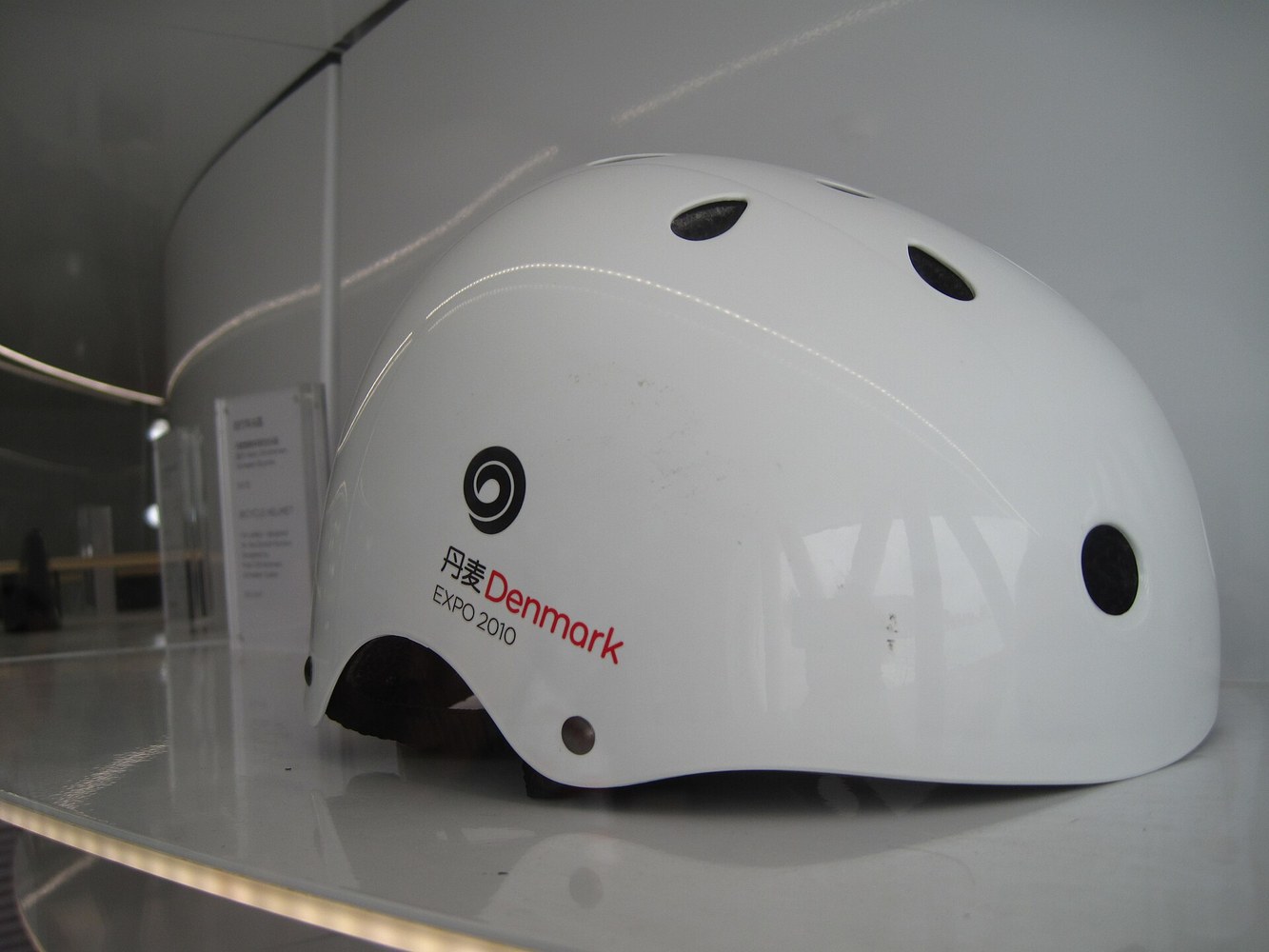
The central compromise is that more ventilation improves comfort but can change coverage and price. Decide in advance which side better fits the routine. Paying more can be sensible for durability, comfort or a function used every day. Extra capacity or automation offers less value when it makes the product too large, complicated or inconvenient to keep ready.
Check controls and accessories
Controls should be clear on the first week and remain practical months later. Check visibility, grip, adjustment steps, cable or hose reach, and the way removable parts attach. Include required extras in the budget. Proprietary consumables, mounts, filters, batteries or storage cases can change the real cost substantially.
One frequent error is choosing by head circumference alone without checking head shape and stability. Reduce that risk by choosing three required features and two acceptable compromises before comparing prices. Check dimensions in the actual location and read the return conditions, especially when comfort, fit or compatibility cannot be confirmed from a specification sheet.
Consider long-term ownership
Long-term value depends on cleaning, wear parts and support. The recommended routine is to replace after a significant impact and avoid heat or chemical damage. Also check warranty exclusions, parts availability and whether core functions require an account, subscription or cloud connection. A simpler product with accessible service may remain useful longer than one with more headline features.
Run a realistic trial
A useful acceptance test is to shake and look around after fitting to confirm the helmet stays level. Use normal settings and realistic materials, then repeat the same procedure. Record time, consistency, noise, heat, comfort or battery use as appropriate. Repetition exposes unstable results that a quick demonstration can hide.
A balanced decision
Choose the bicycle helmet that fits correctly that completes the defined task with comfortable margins and manageable ownership. Confirm compatibility, calculate the cost of necessary extras, and keep packaging until the practical test is complete. The strongest purchase is the one that fits the full routine, not simply the model with the longest feature list.